How to Choose the Right Apron
A straightforward guide from someone who's made a few thousand of them.
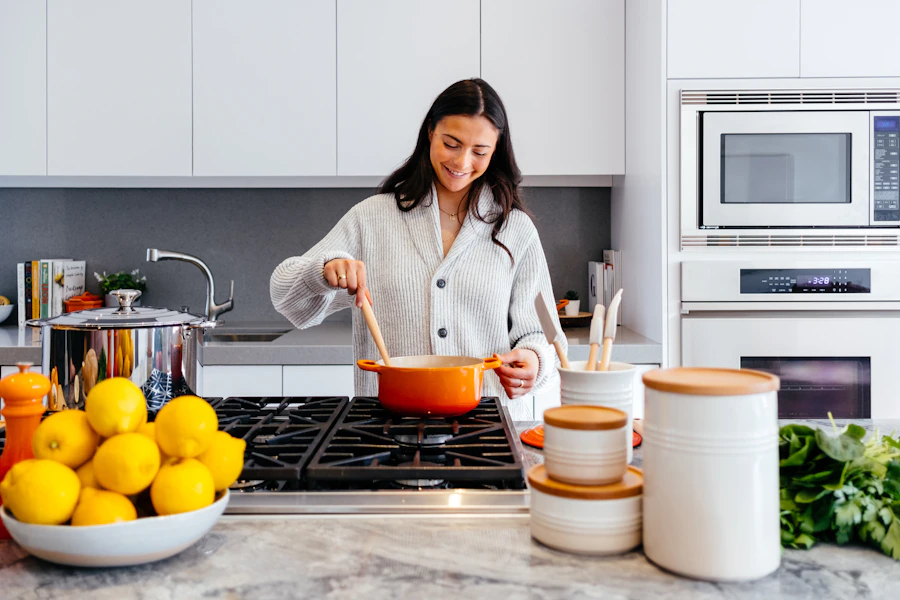
Buying an apron sounds like a simple decision. It's a piece of fabric you tie around yourself. How complicated can it be? Surprisingly complicated, as it turns out — at least if you want one that actually makes time in the kitchen better rather than just slightly more dressed.
After making aprons full-time for the last eight years, here's what I've learned about matching the right apron to the right person.
Full-length vs. half apron
Full-length aprons cover you from chest to knee. They're the right choice if you do any kind of messy cooking — frying, sauce-making, anything involving turmeric. They also suit tall people better because there's more fabric to adjust.
Half aprons sit at the waist and cover your legs. They're lighter, cooler in summer, and quicker to throw on. If you mostly bake or do light prep work, a half apron is often all you need. They're also the better option if you find full-length aprons too fussy.
Strap style matters more than you think
There are three main strap configurations, and the differences are significant:
- Neck loop: The classic style. A single loop goes over your head, and ties secure the apron at your waist. Simple and familiar, but the loop puts weight on the back of your neck. Fine for short sessions, uncomfortable after an hour.
- Crossback: Two straps cross between your shoulder blades and attach at the waist. Weight is distributed across your shoulders instead of your neck. This is what professional cooks tend to prefer, and it's my personal favourite for long kitchen days.
- Tie-back: Straps go over your shoulders and tie behind your back. Adjustable and secure, but the knot can dig in if you lean against a counter.
Fabric weight
Lightweight cotton (under 200 GSM) is breathable and dries quickly but offers less protection against splashes. It's ideal for warm climates or light cooking.
Medium-weight cotton and cotton-linen blends (200-300 GSM) hit the sweet spot for most home cooks. Substantial enough to block splatters, light enough to wear comfortably for hours. This is what we use for most of our aprons.
Heavy canvas and denim (over 300 GSM) suit workshop use, barbecue, and outdoor cooking. They're built to last decades but can feel stiff until broken in.
Pockets: how many, how deep
At minimum, you want one pocket large enough for a phone. Beyond that, it depends on how you work. If you reach for your timer, thermometer, or tasting spoons constantly, two to four pockets placed within easy reach makes a real difference.
Egg-collecting aprons are the extreme case — our Egg Collector has twelve padded pockets. But for kitchen use, two generous front pockets and one smaller utility pocket on the chest is usually plenty.
Sizing and fit
Most aprons are adjustable enough to fit a wide range of body types. What varies is the length. If you're under 165cm, look for aprons described as "petite" or check the stated length — anything over 85cm from chest to hem may drag on your thighs.
For plus sizes, the key measurement is width across the hips. A standard apron is roughly 70cm wide. Our aprons run about 75cm, and we offer a wide-fit version at 85cm for those who want full coverage without the fabric pulling at the sides.
Caring for your apron
Wash in warm water, not hot. Tumble dry on low or line dry. Iron if you like, but most cotton and linen aprons develop a soft crumple that's part of the charm. Avoid bleach — it weakens fibres and damages colour over time.
If you get a stubborn stain (beetroot, turmeric, berry juice), treat it with white vinegar and baking soda before washing. Works every time and won't harm the fabric.
Ready to find your apron? Browse our full range.